VR Tour
30
Cairo
Tomb
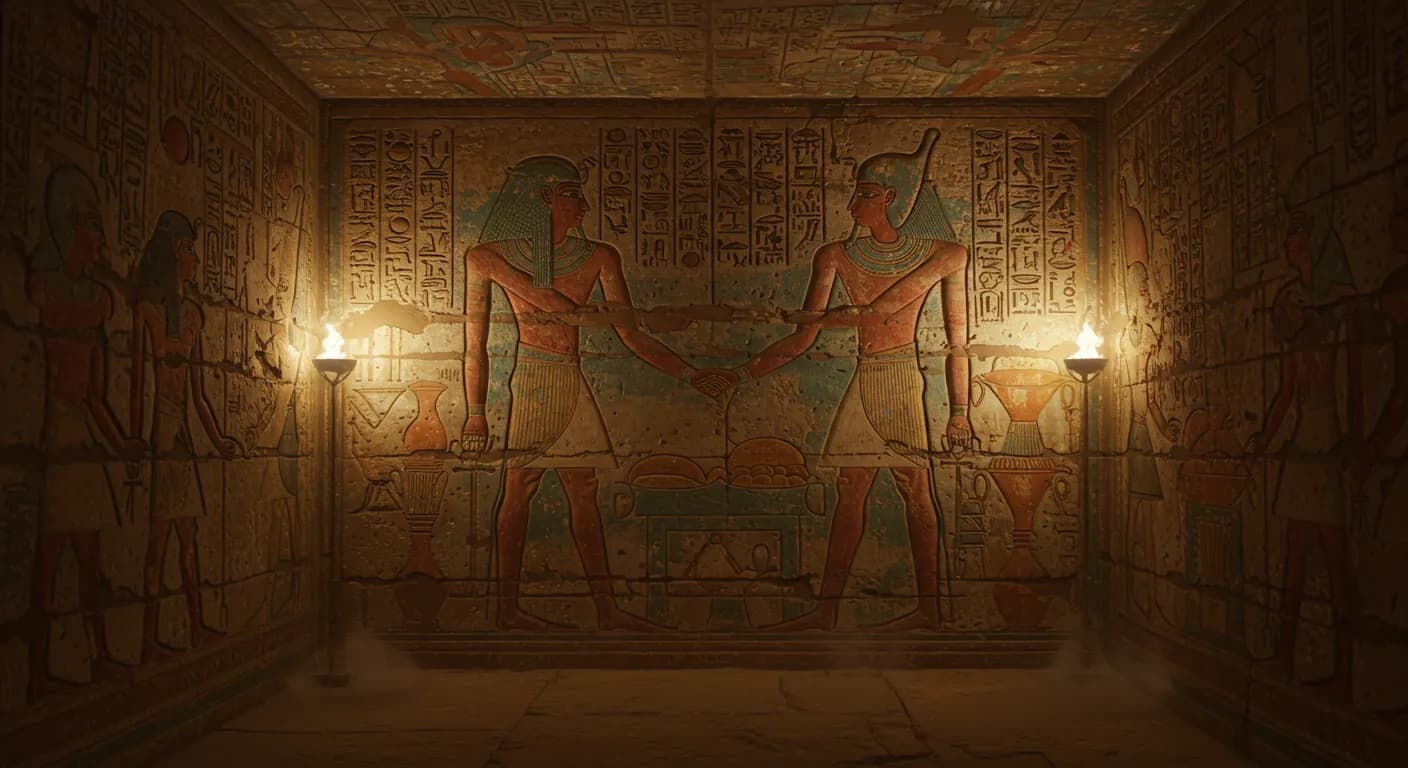
Niankh-Khnum & Khnumhotep Tomb
This double mastaba, belonging to two officials from the 5th Dynasty of the Old Kingdom, offers insights into their lives and the art of the period.
Old Kingdom
🇸🇦🇩🇪🇬🇧🇪🇸
+5
Step into history with our immersive VR experiences
This double mastaba, belonging to two officials from the 5th Dynasty of the Old Kingdom, offers insights into their lives and the art of the period.
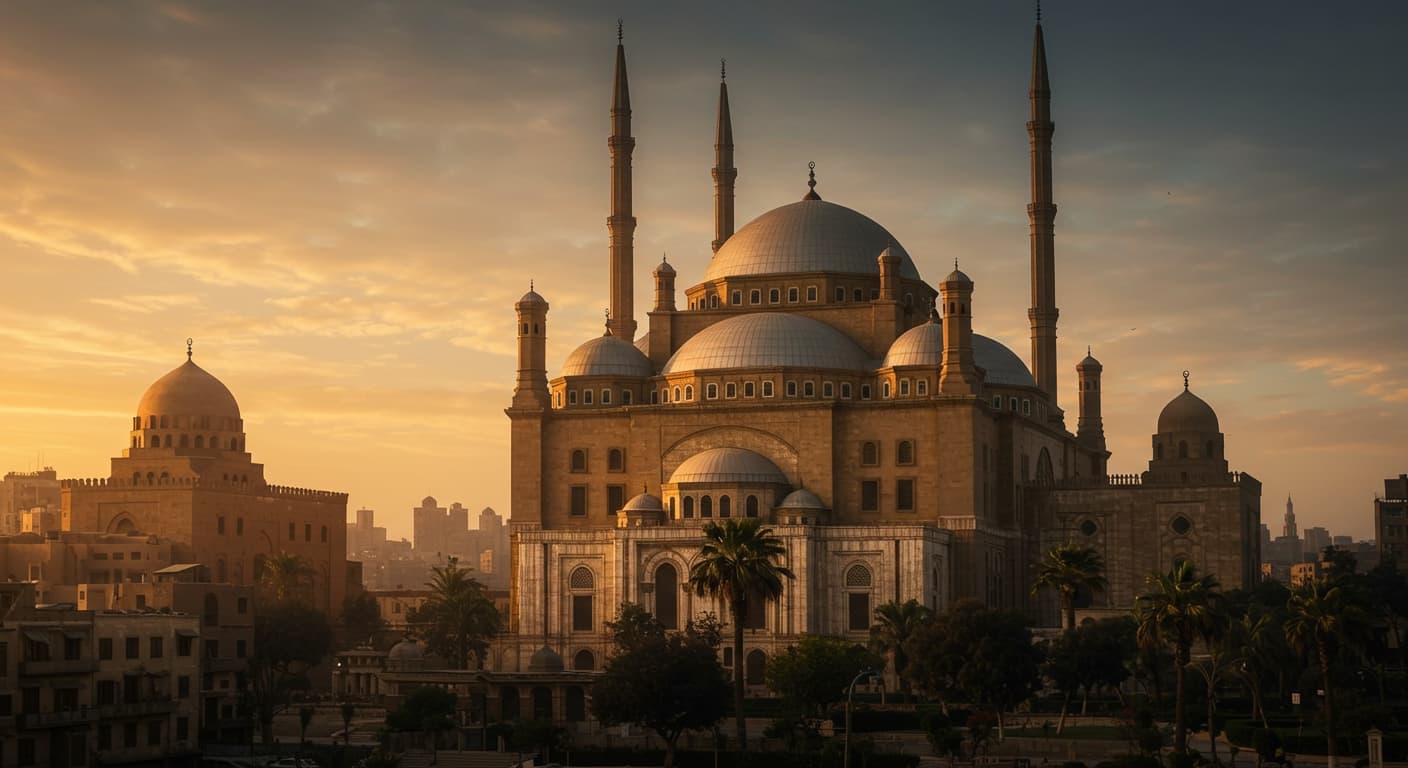
Perched atop the Cairo Citadel, the Mosque of Muhammad Ali is a stunning example of Ottoman-style architecture and a prominent city landmark.
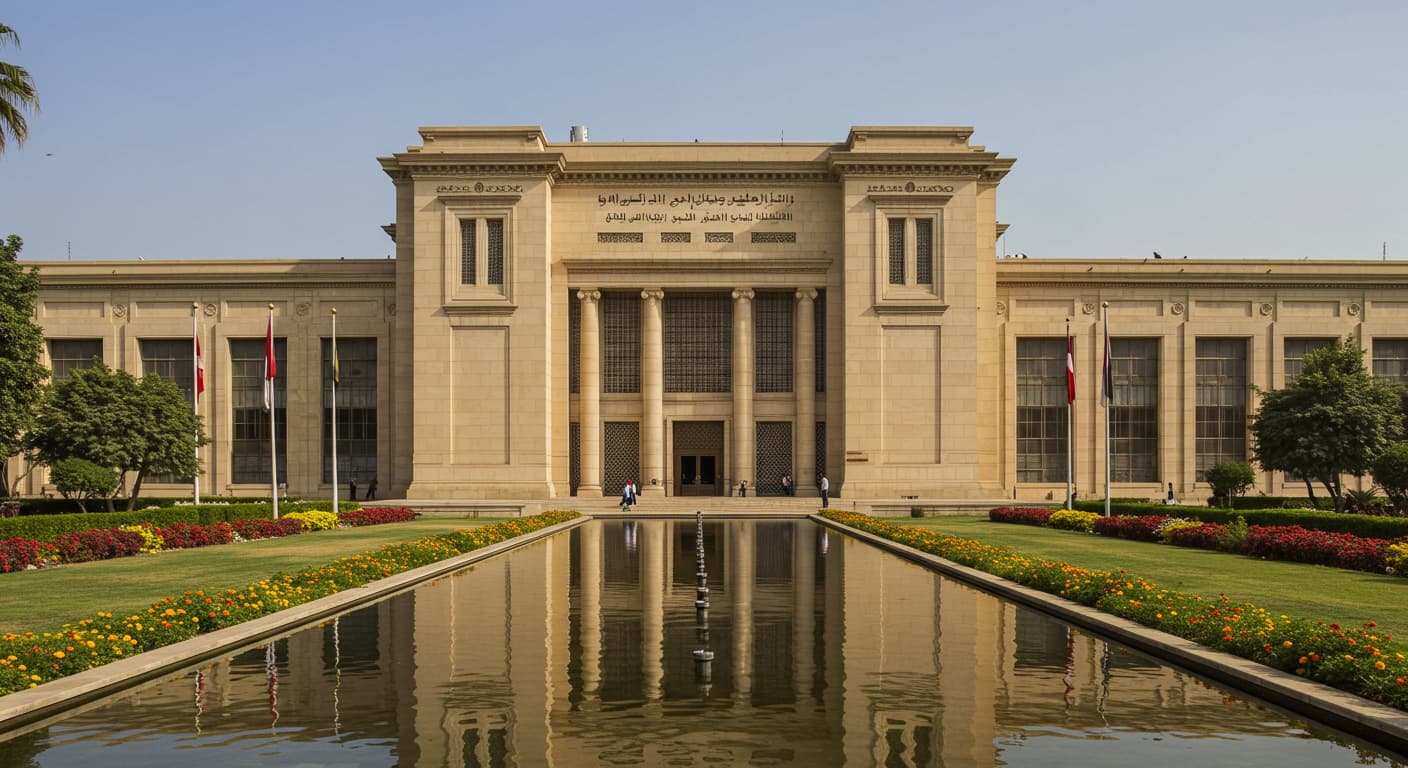
The NMEC in Cairo presents a wide-ranging journey through Egyptian history, from prehistoric times to the modern era, including the Royal Mummies Hall.
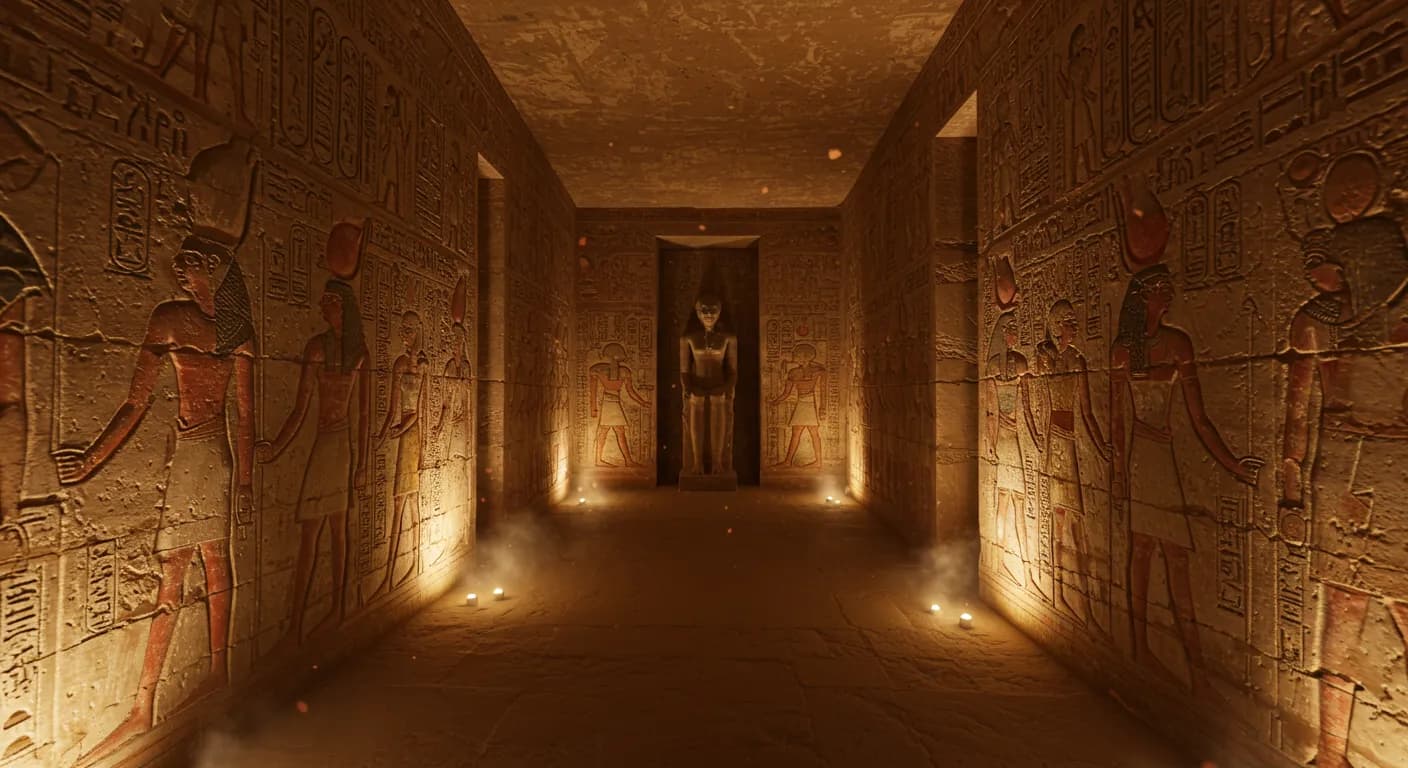
The Wahty Tomb, belonging to a high-ranking official, showcases well-preserved inscriptions, paintings, and artifacts that provide a glimpse into ancient Egyptian life and beliefs.
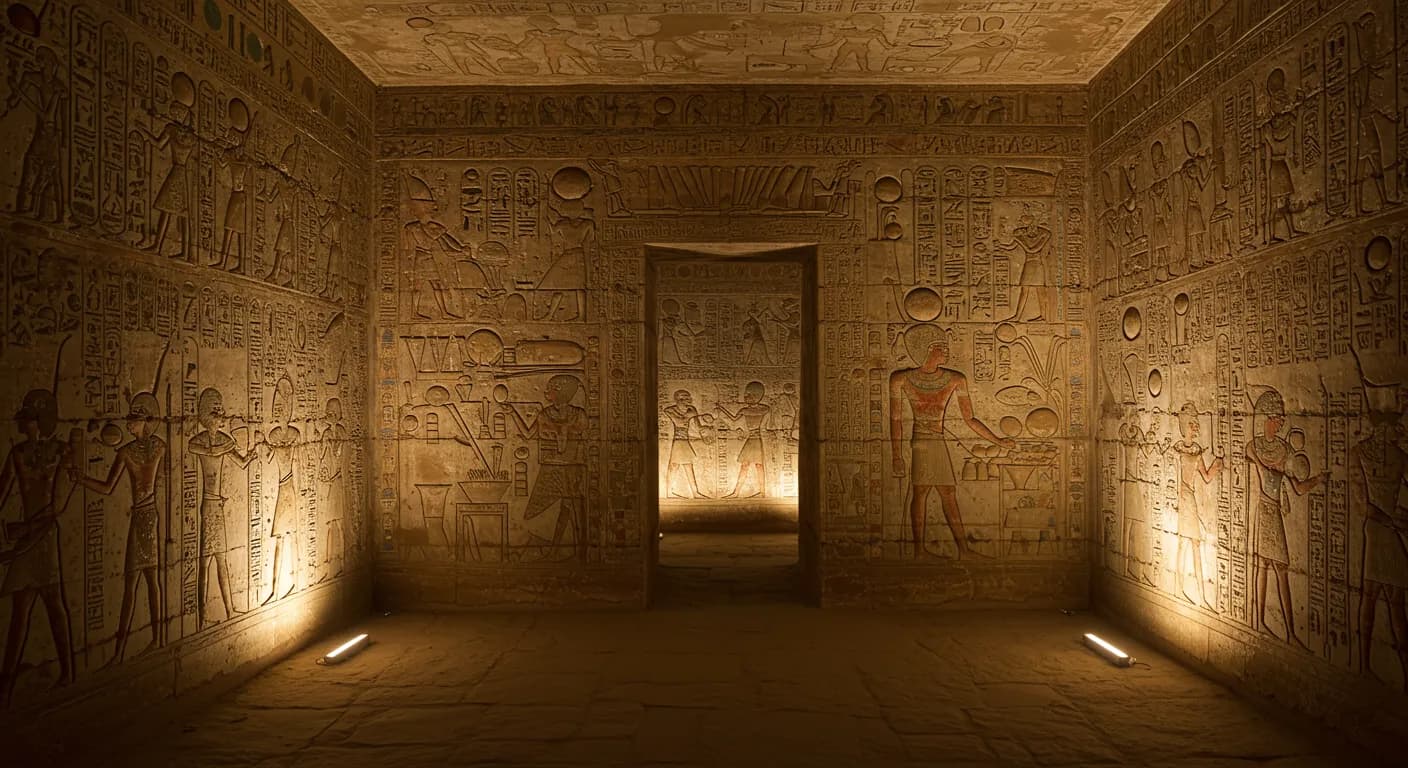
Situated in the Saqqara necropolis near Memphis in Lower Egypt, the Mehu Tomb dates back to the First Dynasty and is renowned for its intricate design.
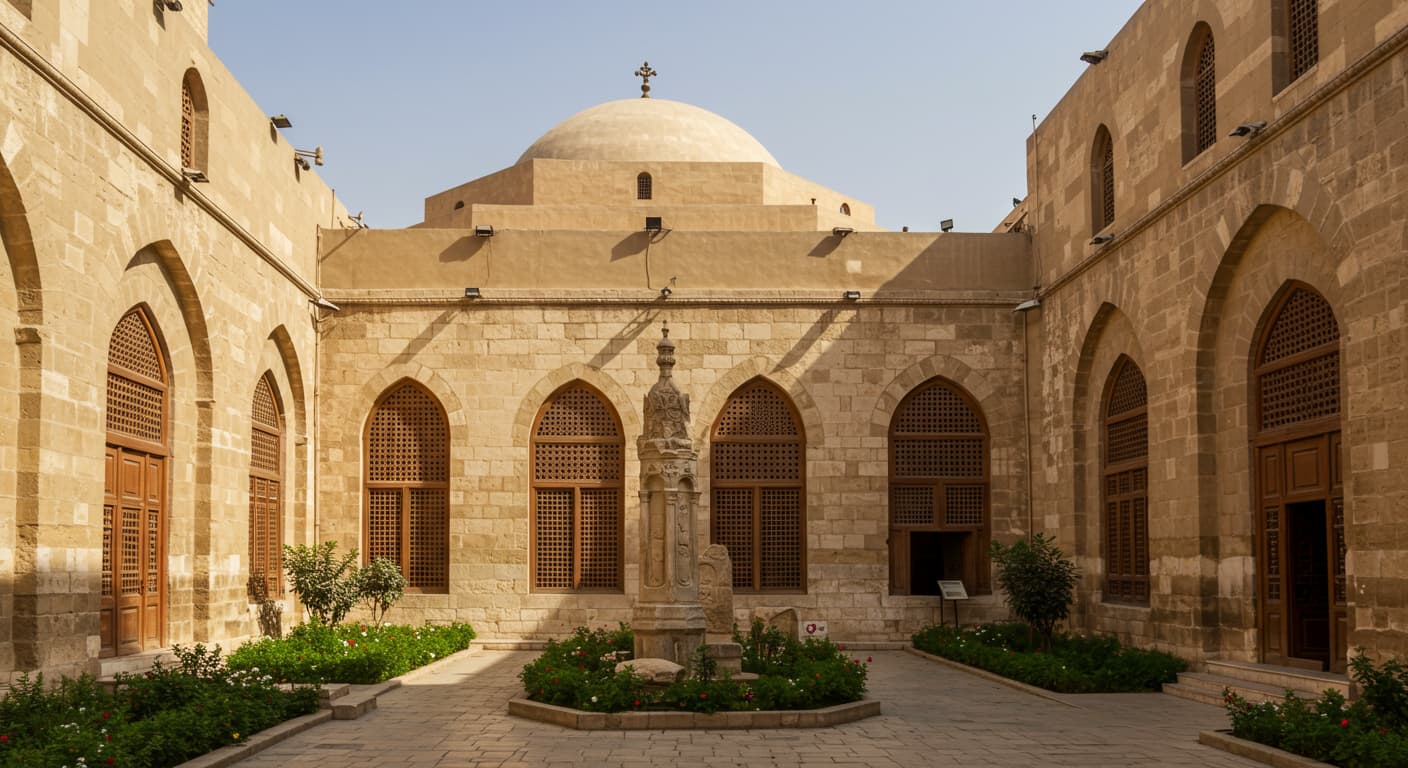
The Coptic Museum in Cairo houses an extensive collection of Christian Egyptian artifacts that illustrate the history and culture of Coptic Egypt.
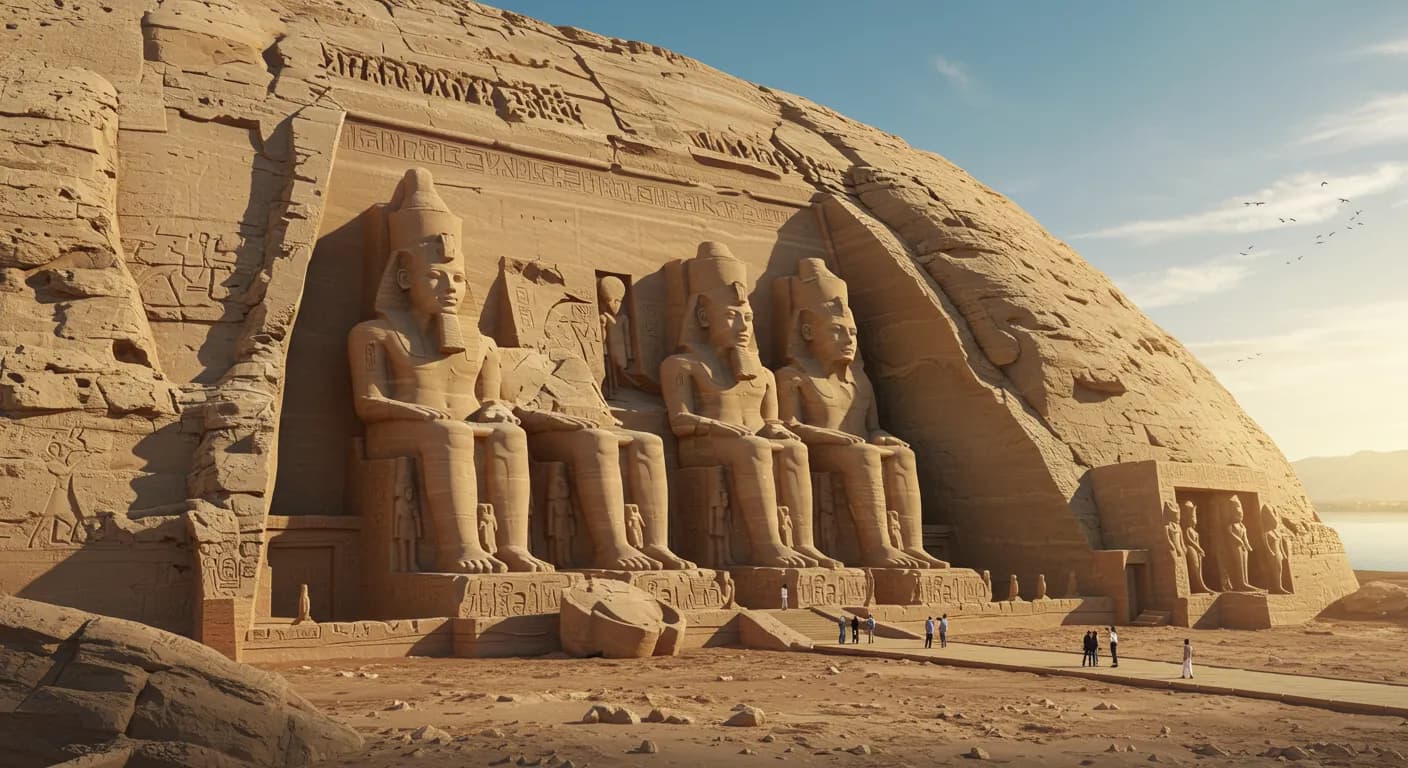
Built in the 13th century BC by Pharaoh Ramesses II, Abu Simbel features two massive rock-cut temples adorned with iconic reliefs and figures of his wife Nefertari.
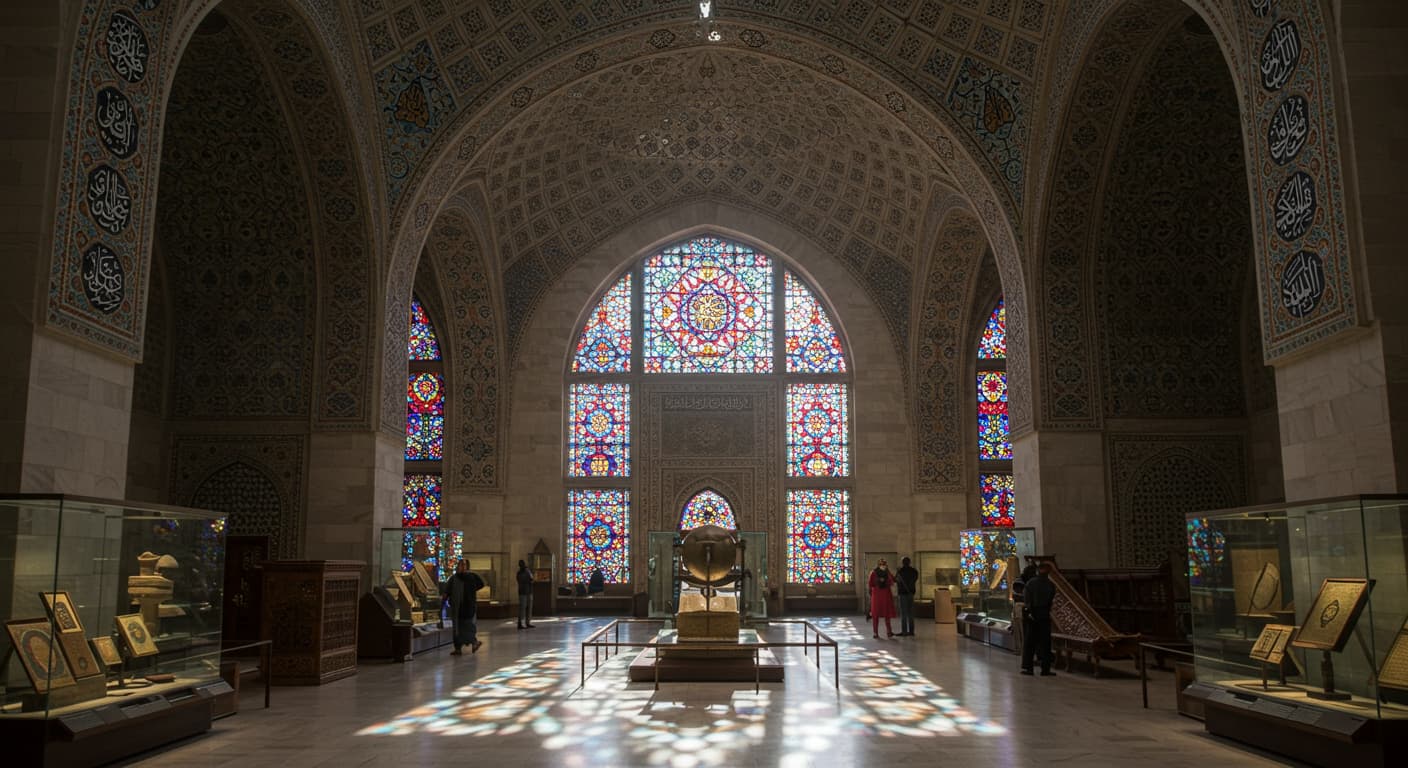
The Islamic Museum, founded in 1881 by Khedive Tewfik Pasha, was originally housed in the mosque of Prince Ibrahim Pasha in the Citadel of Cairo.
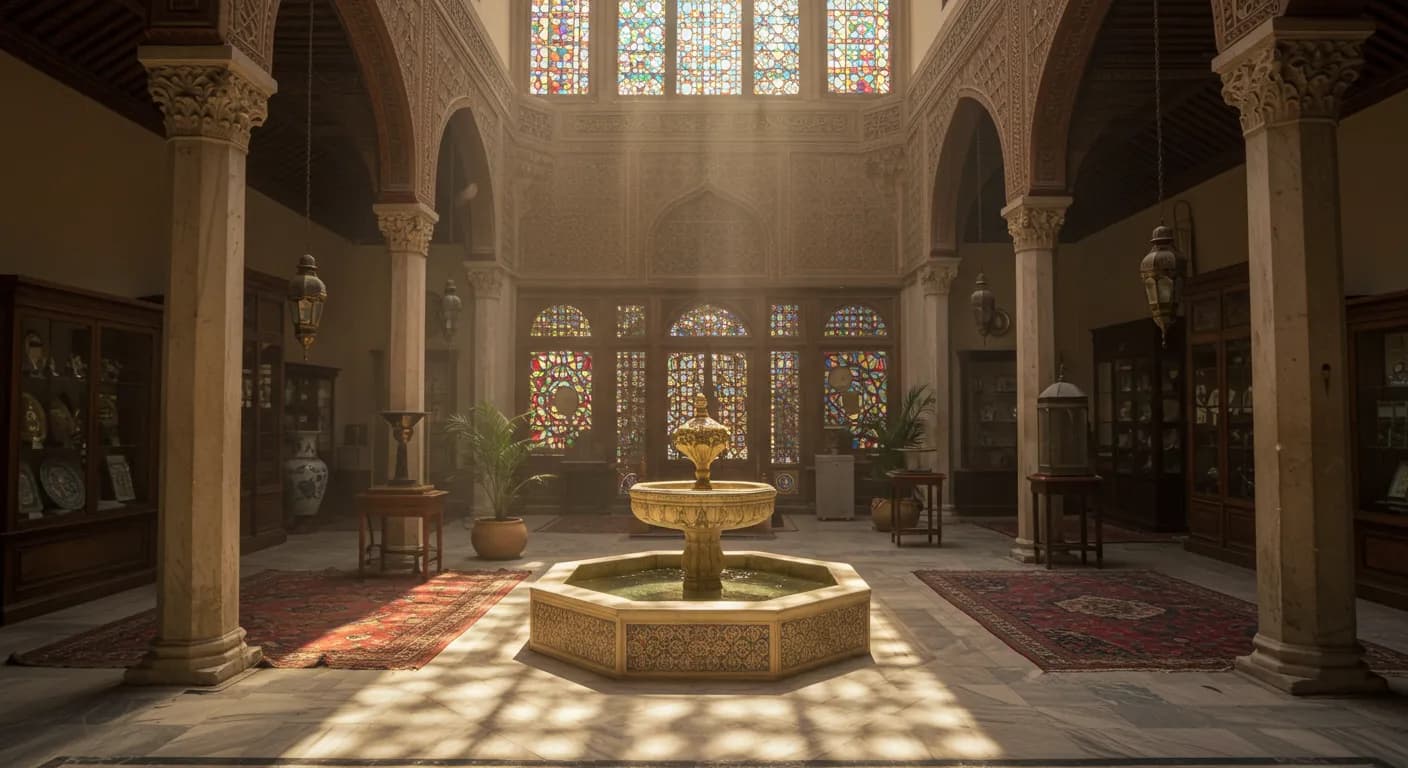
The Gayer-Anderson Museum, set in two historic Islamic homes, showcases intricate woodwork, vibrant decor, and unique artifacts reflecting Cairo's rich cultural history.